
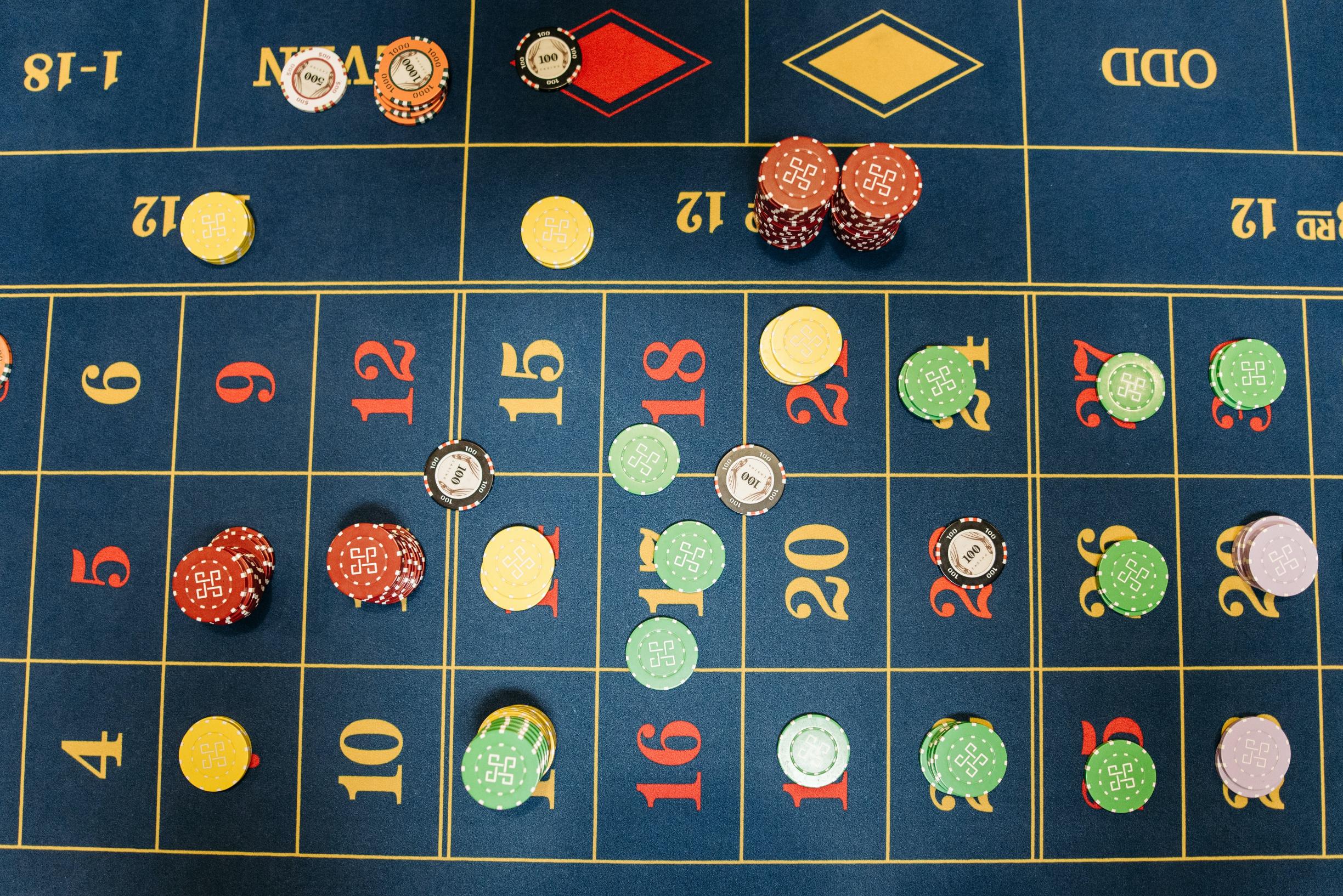
Baccarat has a reputation for being easy to understand because the basic betting choices are limited, but its table mechanics still deserve careful attention. Anyone considering whether to Try playing baccarat (ทดลองเล่นบาคาร่า) can benefit from learning how hands are structured, how totals are calculated, and why the dealing process follows fixed conditions. Looking at these elements from a statistical perspective helps separate the game’s actual rules from assumptions based on previous results.
What’s Covered
- How Many Hands Are Involved?
- Why Is the Number 9 Significant?
- What Are the Primary Statistical Outcomes?
- Does Previous History Change the Next Hand?
- How Does the Third Card Affect the Table?
- Why Should Payout Rules Be Checked?
- What Information Is Most Useful to New Players?
- How Can Baccarat Be Studied Objectively?
How Many Hands Are Involved?
A standard baccarat round revolves around two hands: Player and Banker. These names identify the two sides of the game and do not describe the participant’s personal role.
Both hands initially receive two cards. Depending on their values, one or both hands may receive a third card under established rules. The final totals are then compared, with the hand closest to 9 declared the winner.
This structure means that each round has a defined beginning, middle, and conclusion.
Why Is the Number 9 Significant?
Nine represents the highest possible baccarat total. Unlike ordinary addition, baccarat uses only the last digit of a combined card value.
For instance, if the cards total 17, the recorded baccarat value is 7. If the cards total 9, the displayed total remains 9. This approach means that a hand can contain several cards without producing a conventional high numerical total.
The system is simple once learned, although newcomers sometimes need several examples before it becomes intuitive.
What Are the Primary Statistical Outcomes?
The three principal outcomes are Player, Banker, and Tie. A participant can choose a wager corresponding to one of these outcomes before the round begins.
The probability of each outcome depends on the specific baccarat format and number of decks used. Consequently, published statistical figures should always be considered alongside the rules of the particular version being played.
The important point is that probability describes long-run mathematical behavior rather than guaranteeing the result of an individual hand.
Does Previous History Change the Next Hand?
Past outcomes do not change the fundamental dealing rules of a new round. If several Banker outcomes have appeared consecutively, the next round is not automatically required to produce a Player result.
This distinction is particularly relevant when examining baccarat scoreboards. Roadmaps and historical displays can organize previous results, but they do not create a mechanical prediction of the following hand.
Statistics are most useful when they describe the game over a sufficiently large sample rather than being treated as a guarantee for a single event.
How Does the Third Card Affect the Table?
The third-card system is an important part of baccarat mathematics. A third card may be drawn according to predetermined conditions based on the initial totals.
The Player hand and Banker hand do not necessarily follow identical conditions. In some situations, the Banker’s decision also considers the value of the Player’s third card.
Because these procedures are automatic, understanding them is primarily an educational exercise. Participants do not normally need to calculate the conditions during every round.
Why Should Payout Rules Be Checked?
Baccarat tables can differ in their treatment of wagers and payouts. The Banker outcome may involve a commission, while Tie wagers generally have different payout structures.
Side bets, where available, can introduce additional conditions and different mathematical characteristics. A table’s displayed rules should therefore be reviewed before placing any wager.
Reading these details is especially useful for comparing the basic betting choices with optional wagers.
What Information Is Most Useful to New Players?
The most useful information includes card values, winning conditions, third-card procedures, wager payouts, and the rules surrounding ties. These elements explain the actual mechanics of the game without relying on informal strategies.
A simple understanding of expected probabilities can also help maintain realistic expectations. Random outcomes naturally produce short sequences that may appear meaningful even when they occur by chance.
How Can Baccarat Be Studied Objectively?
An objective approach treats each round as an independent event governed by established rules. Instead of attempting to interpret every short-term sequence, beginners can focus on learning the mathematical structure and comparing it with the stated table conditions.
Baccarat’s appeal partly comes from this combination of simplicity and statistical interest. The table provides only a few principal choices, while the underlying dealing process creates measurable probabilities. Learning those fundamentals gives participants a clearer view of what happens during a round and encourages a more informed understanding of the game.
Key Points
- Baccarat involves two hands, Player and Banker, each receiving two cards, with the possibility of drawing a third card based on established rules.
- The highest possible total in baccarat is 9, with only the last digit of a card total being recorded for the hand.
- The three principal betting outcomes in baccarat are Player, Banker, and Tie, with probabilities varying by game format and number of decks used.
- Past outcomes do not influence the probabilities of future hands in baccarat, making each round an independent event.
- The rules and payouts for bets can vary between different baccarat tables, necessitating a review of the displayed rules before wagering.
- Understanding the card values, winning conditions, and third-card rules is crucial for new players to grasp the fundamentals of baccarat.